
Scuba Diving: The Thrills and the Risks
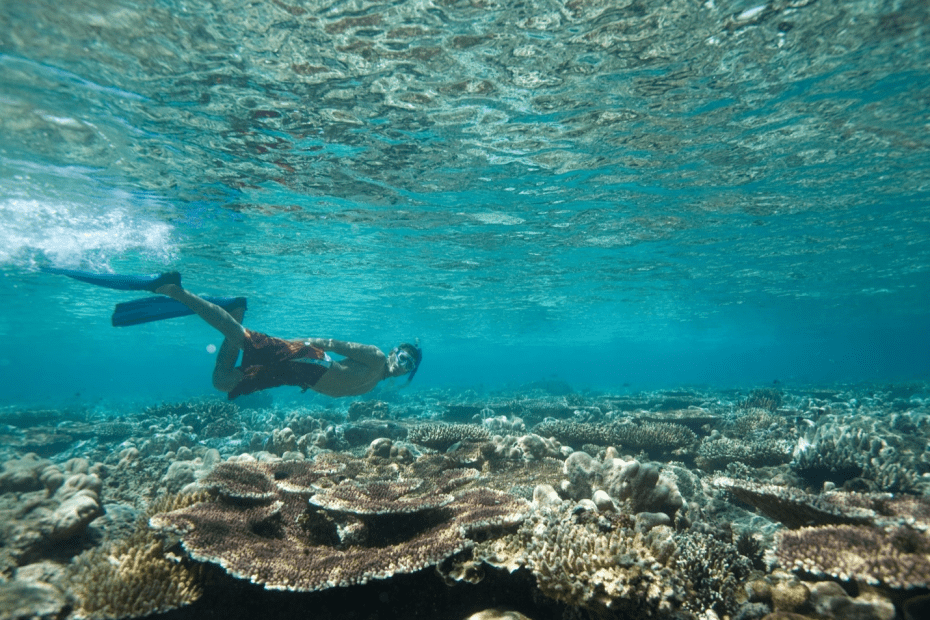
Snorkeling, free diving, and scuba diving provide glimpses of the fascinating undersea world. Millions of fans worldwide are drawn to the appeal of vivid coral reefs, a vast array of marine life, and the peacefulness found beneath the waves. Like any adventure sport, diving is not without its perils, though. Comprehending these hazards is essential to guaranteeing security and optimizing this exhilarating experience. The Enchantment of Scuba Diving The underwater world is breathtakingly beautiful. Divers may experience the incredible biodiversity that exists beneath the surface, visit shipwrecks, and swim with gorgeous sea creatures. Underwater weightlessness experiences are similar to flying, offering a singular and exhilarating sensation. Numerous other health advantages of diving include increased mindfulness, decreased stress, and improved physical fitness. Common Risks Associated with Diving 1. Decompression Sickness (DCS) The condition called “the bends,” or decompression sickness is brought on by divers ascending too quickly, which causes nitrogen bubbles to accumulate in the tissues and bloodstream. Symptoms can vary widely, from joint discomfort and vertigo to paralysis and, in extreme situations, death. Divers should monitor their nitrogen levels with computers or dive tables and adhere to appropriate ascent speeds to reduce this risk. 2. Barotrauma Damage to body tissues brought on by variations in pressure is known as barotrauma. It usually affects the sinuses, lungs, and ears. To avoid this scenario, equalizing pressure during descent and climb is crucial. Divers should be taught methods like the Valsalva exercise to equalize ear pressure. 3. Necrosis of Nitrogen Nitrogen narcosis, also known as “rapture of the… Read More »Scuba Diving: The Thrills and the Risks