Skip to content

Mohammed Leddawi

Aqaba’s Legendary Shipwreck Dive

Exploring the Cedar Pride: Aqaba’s Legendary Shipwreck Dive

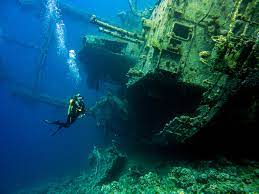
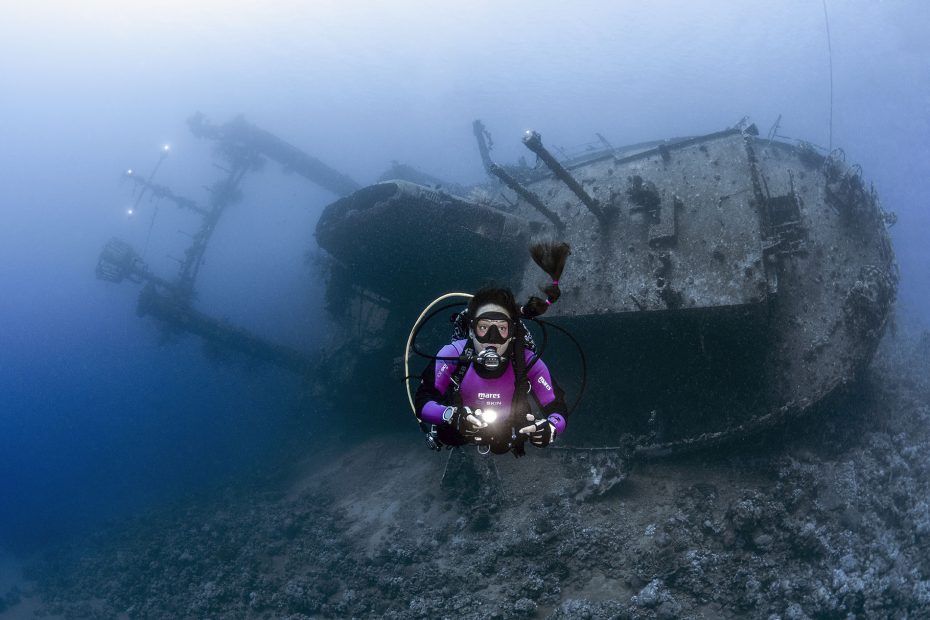
Nestled beneath the warm waters of Jordan’s Red Sea coast lies a dive site unlike any other—the Cedar Pride. More than just a sunken ship, this iconic wreck tells a story of history, marine rebirth, and adventure. For divers visiting Aqaba, exploring the Cedar Pride is an experience that belongs at the very top of the list. A Ship with a Story The Cedar Pride was a Lebanese freighter built in the 1960s. After years of service, it suffered fire damage in Aqaba’s port and was eventually scuttled in 1985 by order of King Abdullah II (then Crown Prince) to create an artificial reef. Since then, the ship has become a thriving underwater ecosystem and one of the Red Sea’s most celebrated wreck dives. The Dive Profile The Cedar Pride rests on her port side, stretching an impressive 74 meters in length. She lies across two coral reefs at depths ranging from 20 to 40 meters, making the site accessible to both intermediate and advanced divers. With clear visibility (often 20+ meters) and calm conditions, it’s a wreck that invites exploration from bow to stern. What You’ll See Underwater – Marine Life: Soft corals drape the ship’s structure, creating shelter for angelfish, lionfish, and schools of snapper. Moray eels often peek from the shadows, while sea turtles sometimes glide past. – The Ship’s Features: Swim through the cargo holds, explore the deck, and admire the masts encrusted with coral. The way sunlight filters through the wreck creates a dreamlike atmosphere perfect for photography. – Macro… Read More »Exploring the Cedar Pride: Aqaba’s Legendary Shipwreck Dive
5 Key Tips for Perfect Buoyancy Control | Scuba Diving Mastery 1

5 Key Tips for Perfect Buoyancy Control | Scuba Diving Mastery

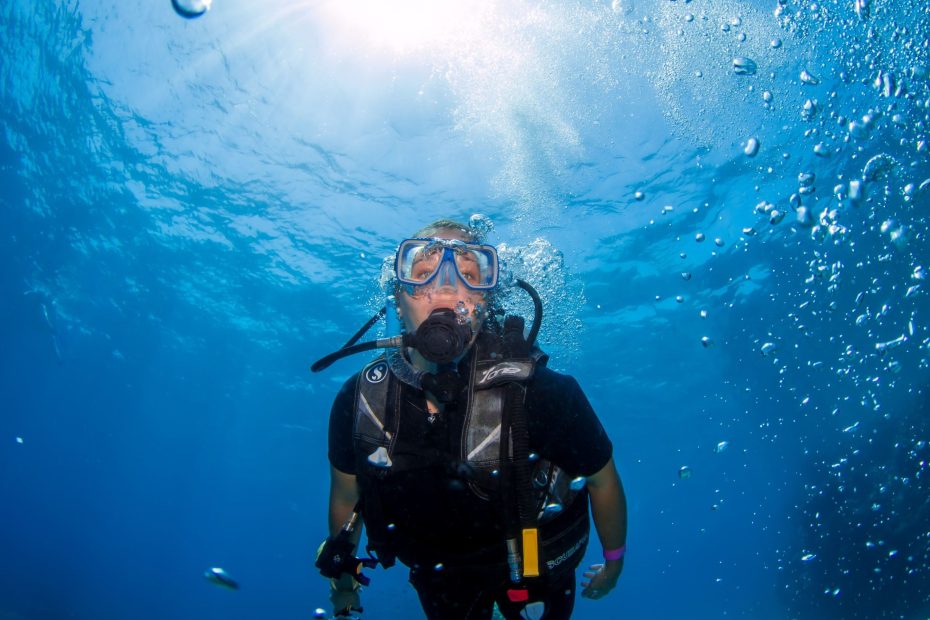
Achieving precise buoyancy control is one of the most important—and rewarding—skills a diver can master. Not only does it make diving more enjoyable and energy-efficient, but it also enhances safety and helps protect delicate marine ecosystems. If you’ve ever struggled to maintain your depth or found yourself constantly inflating and deflating your BCD, you’re not alone. The good news? Buoyancy control can be significantly improved with the right approach and consistent practice. Here are five expert tips to help you refine your buoyancy skills and become a more confident, efficient diver. 1. Inhale with intention One of the best methods for preserving neutral buoyancy is your breath. You rise slightly with a slow, deep inhalation and fall with a lengthy, controlled expiration. Learn to use your lungs to adjust your depth instead of just your buoyancy compensator device (BCD). In addition to stabilizing your stance, this method gradually lowers air consumption. 2. Use Proper Weighting It’s crucial to carry the right amount of weight. If you have too little weight, you will find it difficult to descend or stay steady at deep; if you have too much weight, you will have to fight to stay afloat all the time. Use a practically empty tank to do a weight check at the surface. Holding a regular breath should cause you to float at eye level and then slowly sink when you release it. Every time you switch exposure suits or dive in various kinds of water (freshwater vs. saltwater), reevaluate your weighting. 3. Take Care When… Read More »5 Key Tips for Perfect Buoyancy Control | Scuba Diving Mastery

The Greatest Diving Locations in Aqaba: Discover the Red Sea's Underwater Wonders with Deep Blue 2

The Greatest Diving Locations in Aqaba: Discover the Red Sea’s Underwater Wonders with Deep Blue

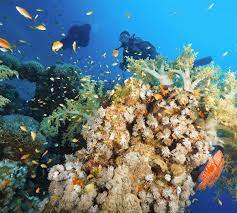
The only coastal city in Jordan, Aqaba, is a haven for scuba divers who want to experience the Red Sea’s breathtaking underwater scenery and abundant marine life. With its pristine seas, vibrant coral reefs, and ancient shipwrecks, Aqaba provides a unique diving experience. Deep Blue guarantees you will have the most fantastic experience at these excellent dive sites, regardless of your experience level. 1. Cedar Pride Wreck: An Iconic Dive Location Wreck diving lovers should not miss the Cedar Pride wreck, one of Aqaba’s most well-known dive destinations. Now teeming with aquatic life, this Lebanese cargo was purposefully sunk in 1985 to create an artificial reef. Divers can enjoy a captivating experience at this spot, which is covered in soft corals and home to fish schools. 2. The Tank – An Unusual Underwater Attraction The Tank is a fascinating site for those seeking a unique diving experience. A sunken M42 Duster anti-aircraft tank rests on the seabed, offering an eerie yet captivating sight. Over time, marine life has made the Tank its home, making it an excellent spot for photography and exploration. 3. A Coral Wonderland in a Japanese Garden Divers of all skill levels will love this dive site, which is well-known for its abundant variety. The Japanese Garden is home to various hard and soft corals, vibrant fish, and occasionally even sea turtles. This is the perfect place for anyone who values the beauty of coral ecosystems. 4. Power Station: An In-Depth Look for the Courageous Power Station is a thrilling deep dive… Read More »The Greatest Diving Locations in Aqaba: Discover the Red Sea’s Underwater Wonders with Deep Blue

The Ocean: God's Paradise on Earth 3

The Ocean: God’s Paradise on Earth

The ocean is frequently described as God’s paradise on Earth because of its immense and enigmatic depths. It is a fantastic world full of beauty, life, and an unending spirit of adventure. The ocean is a beauty of creation, from its glistening surface reflecting the sun’s golden hues to its deep, uncharted pits concealing secrets of the unknown. A Colorful and Vibrant World There is a remarkable world full of colorful marine life beneath the seas. Known as the “rainforests of the sea,” coral reefs are home to innumerable fish, turtles, and other aquatic species. The fantastic display of colors, which range from the vivid reds of sea anemones to the neon blues of parrotfish, paints a picture of heavenly creativity. Dolphins gleefully leap above the waves while schools of fish move in perfect synchronization, reminding us of the playful nature of the ocean. The Sea’s Calm and Strength The ocean is both serene and strong. On quiet days, its pulsating waves provide a calming respite from the bustle of the outside world. However, it is also incredibly strong, with powerful currents and tall waves that inspire awe. The beauty of nature and the magnificence of its Creator are reflected in this harmony between power and tranquility. The Value of Scuba Diving Diving is among the most significant ways to take in the ocean’s wonders. By providing a close-up view of coral formations and marine life, scuba diving and free diving enable people to discover the hidden gems beneath the surface. In addition to being… Read More »The Ocean: God’s Paradise on Earth

Scuba Diving Etiquette 4

Scuba Diving Etiquette

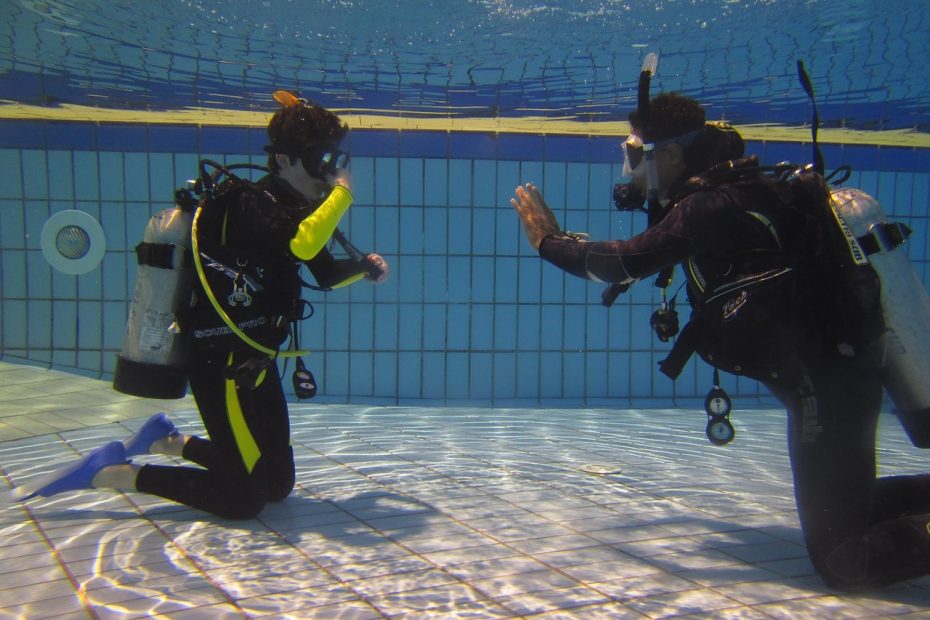
Scuba Diving Protocols: Crucial Dos and Don’ts for Novices Adventurers can explore the undersea world through the thrilling experience of scuba diving, but responsibilities are also involved. Proper etiquette ensures everyone engaged will have a safe and pleasurable dive. When starting their scuba diving adventure, novices should adhere to some crucial dos and don’ts. Scuba Diving Dos Obtain the Appropriate Certification Before You Go Diving; ensure you have the certification from an accredited agency, such as SSI or PADI. This ensures that you know the essential abilities and safety precautions needed. Scrutinize your equipment. Before entering the water, examine your gear, mask, fins, regulator, and BCD. Well-operating equipment can guarantee a smooth dive and avoid mishaps. Honor marine life. It is best to watch underwater life from a distance. Since many aquatic creatures are delicate and can be injured by human contact, avoid touching or upsetting them. Observe the Dive Plan: Adhere to the dive plan that your instructor or dive leader has established. To protect your safety, you must adhere to depth restrictions, ascension speeds, and duration. Continue to Be Properly Buoyant by controlling your buoyancy, you can avoid damaging the reef and upsetting the sediment, which can make it harder for other divers to see you. Effective Communication: communicate with your instructor and diving partner using the appropriate hand gestures. Effective communication is crucial in an emergency or changing the diving conditions. Climb Gently and Securely To lower the danger of decompression sickness, always adhere to the guideline that you should not ascend more than… Read More »Scuba Diving Etiquette

A Seasonal Guide to the Greatest Times to Enjoy Diving 5

A Seasonal Guide to the Greatest Times to Enjoy Diving

Diving offers the opportunity to fully immerse oneself in the captivating underwater world, making it more than an adventure. However, the location and season can significantly impact the experience. Understanding when to dive can improve your underwater exploration by guaranteeing ideal conditions and life-changing experiences with marine life. Diving Seasons: Essential Information Different parts of the world provide distinctive diving experiences based on their seasonal variations. The best time to dive depends on several factors, including weather, marine life activity, visibility, and water temperature. The Best Time to Visit Tropical Destinations: All Year Long with Seasonal Highlights Year-round diving is frequently available in tropical locations including the Philippines, Indonesia, and the Maldives. But certain seasons of the year stand out: Dry Season (High Visibility): Usually occurring between November and April, the quiet, clear seas are ideal for observing various marine life, including beautiful coral reefs. Manta and Whale Shark Season: The activity levels of giant marine animals, such as manta rays and whale sharks, vary by destination. For example, if you want a better chance of seeing them, visit the Maldives between May and September. Gulf of Mexico and the Caribbean December through May is the best time. The Caribbean offers pleasant temperatures and pristine waters, particularly in the winter and spring. Because of the tranquil waters, these seasons are perfect for both novice and expert divers. Steer clear of hurricane season, which runs from June to November. Jordan and Egypt’s Red Sea March through May and September through November are the best times. The… Read More »A Seasonal Guide to the Greatest Times to Enjoy Diving

Fun Facts About Diving: Exploring the Depths of Mystery and Adventure 6

Fun Facts About Diving: Exploring the Depths of Mystery and Adventure

Diving is a voyage into a world with fascinating science, history, and mysteries; it’s more than just an exciting opportunity to experience the underwater environment. Here are some interesting and entertaining facts about diving, ranging from developing diving equipment to the odd noises reverberating across the ocean. 1. Drowning Isn’t Always What You Think Divers face a significant risk of drowning, but it goes beyond simply breathing in water. When a diver holds their breath for an extended period, a phenomenon known as “shallow water blackout” can happen, severely lowering oxygen levels in the body. Free divers are taught to remain conscious of their limits and surfaces before oxygen runs out. 2. The Diving Suit’s Unexpected History The modern, streamlined wetsuits were not the original diving suits. They were heavy, constructed of metal and waterproof fabric, and frequently had air pumps attached above the surface. Early 18th-century designs resembled deep-sea armor more than anything else! The 1950s saw the invention of modern wetsuits, which transformed diving by offering buoyancy, flexibility, and insulation. 3. Masks: The Gateway to a Diver’s World From its crude origins, diving masks have evolved into a diver’s window to the underwater world. Modern mask designs incorporate features like prescription lenses and anti-fog coatings, whereas early models were only glass plates. Another minor but essential invention that makes diving feasible is the air space the mask generates, which enables divers to see underwater. 4. Strange Sounds of the Deep There is a lot of noise in the undersea environment. Divers frequently hear… Read More »Fun Facts About Diving: Exploring the Depths of Mystery and Adventure

Diving in Aqaba: Exploring the Vibrant Coral Reefs of the Red Sea 7

Diving in Aqaba: Exploring the Vibrant Coral Reefs of the Red Sea

Exploring the Red Sea’s Vibrant Coral Reefs While Diving in Aqaba The only seaside city in Jordan, Aqaba, is a diving enthusiast’s paradise. With its breathtaking coral reefs, colorful marine life, and shipwrecks, Aqaba, on the northeastern tip of the Red Sea, provides an unmatched diving experience. The most significant locations, circumstances, and experiences for diving in Aqaba are highlighted in this article. Top Dive Websites The 1985 sinking of the former Lebanese cargo ship Cedar Pride, which is today alive with marine life. The Tank: A unique diving experience offered by a submerged M42 anti-aircraft tank. The Reef: A vibrant coral reef home to schools of fish, moray eels, and sea turtles. The Canyon: A stunning underwater scene with a canyon teeming with coral. The Black Rock: A submerged rock structure that draws reef sharks and huge pelagics. Conditions for Diving The year-round water temperature of 20–28°C (68–82°F) is perfect for diving. Visibility: based on the weather, 5–40 meters (15–131 ft). Moderate currents: appropriate for all skill levels of divers. The depth range accommodates novice and expert divers, 5–40 meters (15–131 ft). Marine Life Sea Turtles: Green and Hawksbill turtles are frequently sighted. Rays and Sharks: Common guests include reef sharks, eagle rays, and manta rays. Fish: schools of fusiliers, angelfish, butterfly fish, and parrotfish. Corals: Bright, hard, and soft corals like fan and brain corals. Training and Dive Centers Aqaba Dive Centers: Several locations provide SSI and PADI certifications. Guided Tours: Professional guides offer safe and educational dives. Equipment Rentals: Rentable, well-maintained equipment… Read More »Diving in Aqaba: Exploring the Vibrant Coral Reefs of the Red Sea

Sharks as Ocean Depth Guardians: Defenders of the Marine Environment 8

Sharks as Ocean Depth Guardians: Defenders of the Marine Environment

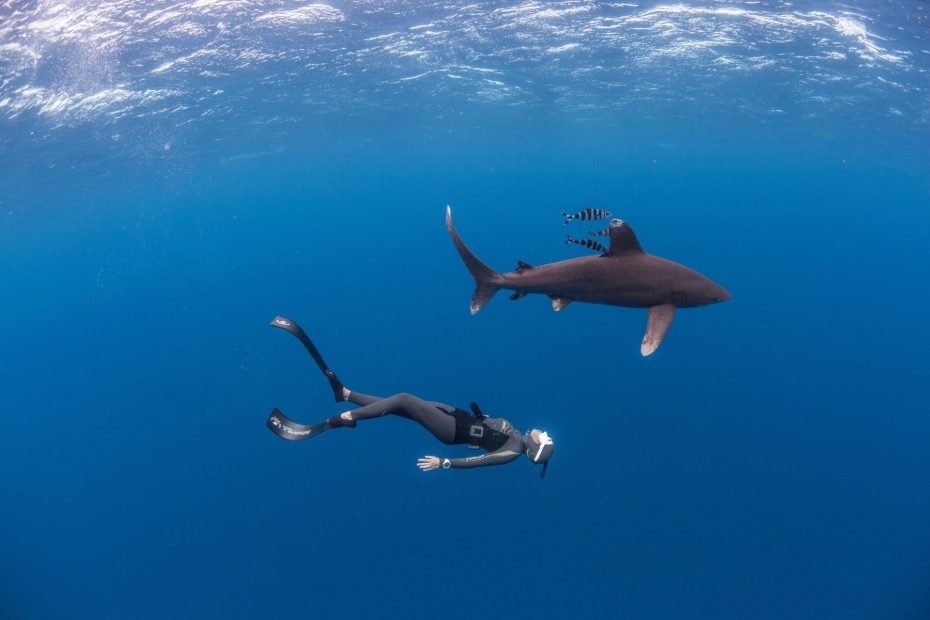
Sharks have long been represented as terrifying predators that rule the oceans with their muscular bodies and razor-sharp teeth. But these magnificent animals are considerably more complex than Hollywood horror films portray. In actuality, sharks are the protectors of the ocean’s depths and are essential to the well-being of marine ecosystems. By realizing their significance, we can respect their place in the undersea environment and see the need to safeguard them against the escalating dangers they encounter. Sharks’ Function in Marine Ecosystems Sharks are apex predators at the top of the food chain, which indicates that they are important in regulating the number of other marine species and have few natural enemies. By feeding on sick, weak, or overpopulated species, sharks contribute to the preservation of the ocean’s healthy balance. By preventing one species from controlling the environment, this natural regulation avoids imbalances that might impact anything from fish populations to coral reefs. Sharks as Ocean Health Indicators It’s common to refer to sharks as “indicator species.” Their existence (or lack thereof) can infer a marine environment’s health. Since sharks need a varied and abundant food source to thrive, healthy populations indicate a balanced ecology. However, dwindling shark populations may indicate problems like pollution, habitat damage, or overfishing. Dangers to Shark Populations Shark populations face severe threats despite their significance. Shark populations worldwide have drastically decreased due to overfishing, frequently fuelled by the demand for shark fins. Shark finning is a cruel and unsustainable practice in which sharks are captured, have their fins removed, and… Read More »Sharks as Ocean Depth Guardians: Defenders of the Marine Environment

Courses for Diving: Your Passport to Exploring the Deep Sea 9

Courses for Diving: Your Passport to Exploring the Deep Sea

For millennia, explorers have been enthralled by the wonders and mysteries of the aquatic world. From colorful coral reefs brimming with life to the tranquility of deep-sea sceneries, diving offers a singular chance to get up close and personal with this hidden world. Enrolling in a diving school is the ideal approach to safely and securely explore the ocean’s depths if you want to know where to begin. The several kinds of diving courses that are offered, the advantages of enrolling in them, and what to anticipate from the theoretical and practical training involved will all be covered in this article. Diving Course Types Courses for diving from the Deep Blue Dive Center are made to accommodate a range of interests and skill levels. Regardless of your experience level, there is a course that will help you improve your diving abilities. The most common categories of diving courses are broken down as follows: Course for Open Water Divers The most well-liked beginning certification for novices is the Open Water Diver Course. It covers the fundamentals of scuba diving, such as using equipment, communicating underwater, and practicing critical safety techniques. After finishing this course, you will be qualified to dive with a friend down to 18 meters (60 feet). Essential Knowledge Acquired: Utilizing scuba equipment to breathe underwater. Balancing the pressure in your ears. Basic safety and navigation procedures for buoyancy control. Course for Advanced Open Water Divers The Advanced Open Water Diver training is perfect for people who want to advance their diving abilities. While… Read More »Courses for Diving: Your Passport to Exploring the Deep Sea