
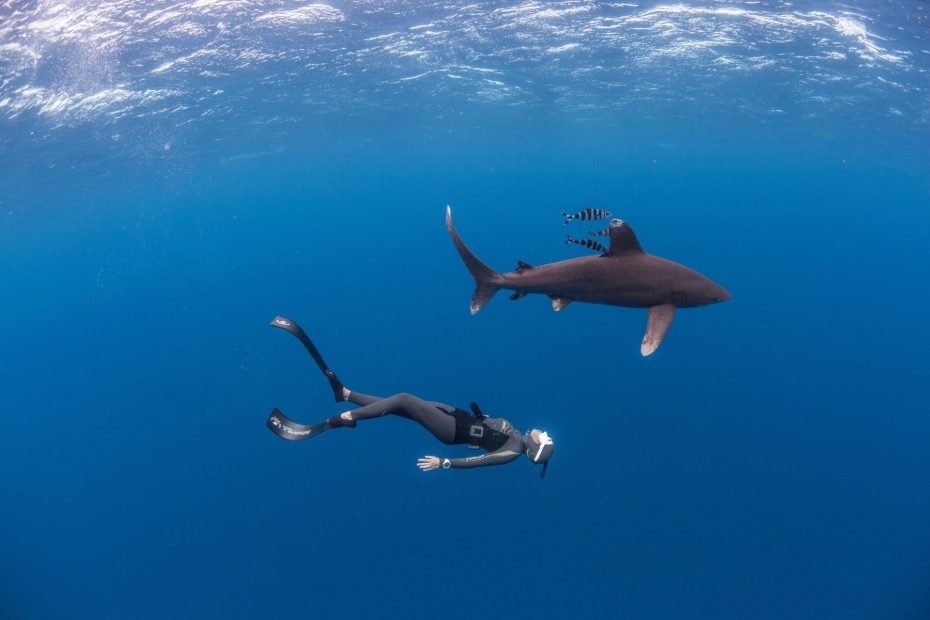
Sharks have long been represented as terrifying predators that rule the oceans with their muscular bodies and razor-sharp teeth. But these magnificent animals are considerably more complex than Hollywood horror films portray. In actuality, sharks are the protectors of the ocean’s depths and are essential to the well-being of marine ecosystems. By realizing their significance, we can respect their place in the undersea environment and see the need to safeguard them against the escalating dangers they encounter.
Sharks’ Function in Marine Ecosystems
Sharks are apex predators at the top of the food chain, which indicates that they are important in regulating the number of other marine species and have few natural enemies. By feeding on sick, weak, or overpopulated species, sharks contribute to the preservation of the ocean’s healthy balance. By preventing one species from controlling the environment, this natural regulation avoids imbalances that might impact anything from fish populations to coral reefs.
Sharks as Ocean Health Indicators
It’s common to refer to sharks as “indicator species.” Their existence (or lack thereof) can infer a marine environment’s health. Since sharks need a varied and abundant food source to thrive, healthy populations indicate a balanced ecology. However, dwindling shark populations may indicate problems like pollution, habitat damage, or overfishing.
Dangers to Shark Populations
Shark populations face severe threats despite their significance. Shark populations worldwide have drastically decreased due to overfishing, frequently fuelled by the demand for shark fins. Shark finning is a cruel and unsustainable practice in which sharks are captured, have their fins removed, and are then released back into the water, frequently still alive. Because of this, several shark species have drastically decreased by as much as 90% in the previous few decades.
The Guardians of Misunderstanding
Sharks’ unfavorable reputation as mindless murderers is mostly untrue. Shark attacks are uncommon, and most shark species pose little threat to humans. In actuality, lightning strikes are more likely to occur than shark attacks. These false beliefs have increased shark persecution and terror, which has made conservation efforts even more difficult.
Conservation Initiatives to Save Sharks
The fight to save sharks and their habitats is gaining momentum. Around the world, marine protected areas (MPAs) are being created to safeguard essential shark habitats from human interference and fishing. Sharks may reproduce, eat, and live safely in these sanctuaries, benefiting the larger marine ecology.
Two other initiatives to support sustainable fishing methods are adopting shark-friendly fishing gear and prohibiting shark finning. Shark diving and other ecotourism activities have grown in popularity because they let visitors see the beauty of sharks in their natural environment. These encounters boost local economics in addition to shark conservation.
How You Can Assist
- Say No to Shark Fin items: You may lessen demand and contribute to protecting these species by avoiding shark fin soup and other items made from sharks.
- Educate Others: Raising public knowledge of sharks’ significance and dispelling widespread misconceptions can change attitudes and motivate conservation initiatives.
- Engage in Ecotourism: Sustainable tourism promotes shark conservation while offering exhilarating experiences through ethical shark diving and snorkeling tours.
Accepting the Deep’s Guardians
As the protectors of the ocean and essential to the wellbeing and equilibrium of marine ecosystems, sharks are more than simply the bad guys of the deep. By safeguarding sharks, we are maintaining the health of our seas as a whole, not just one species. The optimism that these unique species will continue to flourish and secure the future of our blue world is growing along with awareness.
Embark on an unforgettable adventure and dive into the world of sharks with us. Visit our website https://www.deepbluedivecenter.com/ to learn more about our shark diving experiences and how you can contribute to shark conservation efforts.
