
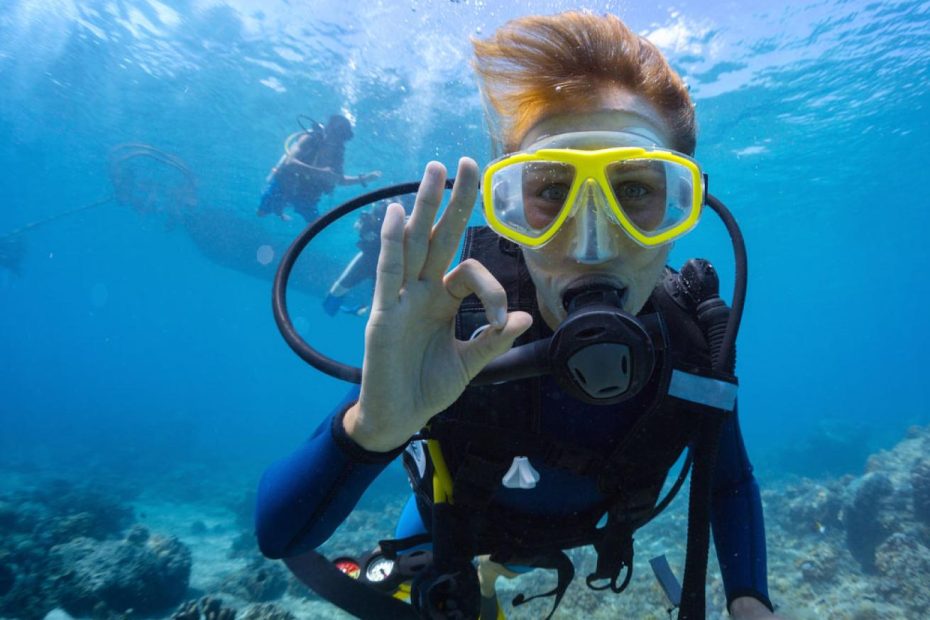
Achieving precise buoyancy control is one of the most important—and rewarding—skills a diver can master. Not only does it make diving more enjoyable and energy-efficient, but it also enhances safety and helps protect delicate marine ecosystems. If you’ve ever struggled to maintain your depth or found yourself constantly inflating and deflating your BCD, you’re not alone. The good news? Buoyancy control can be significantly improved with the right approach and consistent practice. Here are five expert tips to help you refine your buoyancy skills and become a more confident, efficient diver.
1. Inhale with intention
One of the best methods for preserving neutral buoyancy is your breath. You rise slightly with a slow, deep inhalation and fall with a lengthy, controlled expiration. Learn to use your lungs to adjust your depth instead of just your buoyancy compensator device (BCD). In addition to stabilizing your stance, this method gradually lowers air consumption.
2. Use Proper Weighting
It’s crucial to carry the right amount of weight. If you have too little weight, you will find it difficult to descend or stay steady at deep; if you have too much weight, you will have to fight to stay afloat all the time. Use a practically empty tank to do a weight check at the surface. Holding a regular breath should cause you to float at eye level and then slowly sink when you release it. Every time you switch exposure suits or dive in various kinds of water (freshwater vs. saltwater), reevaluate your weighting.
3. Take Care When You Move
For control to be maintained underwater, movement must be streamlined. Hold your arms at your sides and maintain a horizontal posture. Do not steer or stabilize with your hands. Let your fins do the work instead. It is easier to remain neutrally buoyant if you produce less resistance. Additionally, moving quietly avoids needless coral touch or sediment disturbance.
4. Make Minor Modifications
Refrain from inflating or deflating your BCD significantly. Subtle and intentional buoyancy modifications are required. Make tiny adjustments by adding or releasing air, and always wait a few seconds for the change to take effect. A typical error that can cause continuous bobbing or yo-yoing underwater is overcorrection.
5. Keep an Eye on Your Trim and Depth
Variations in pressure cause your buoyancy to alter as you go deeper. Be proactive—if you’re ascending, anticipate the expansion of air in your BCD and lungs and release air as needed. You will need to inject air gradually if you are lowering. Also, check your trim (your body’s positioning in the water). A well-balanced trim helps distribute your weight evenly, making managing buoyancy easier.
Although it takes time to master buoyancy control, it eventually becomes instinctive with practice and patience. In addition to making your dives more pleasurable and smooth, you’ll save energy, prolong your bottom time, and lessen your impact on the underwater environment.
Improve your scuba diving experience with these 5 expert tips for perfect buoyancy control. Learn how to dive safely, conserve energy, and protect marine life.
