
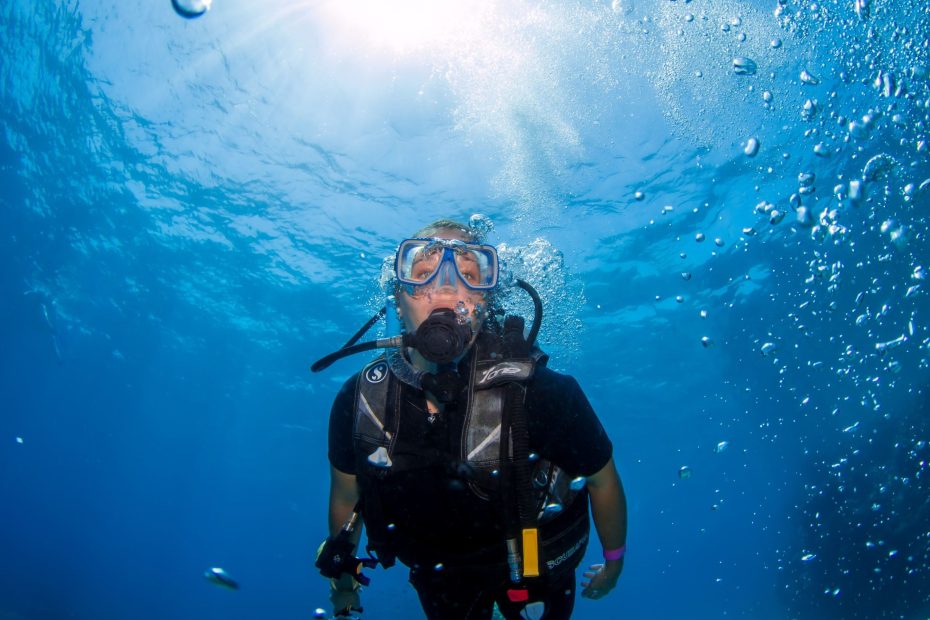
Scuba Diving Protocols: Crucial Dos and Don’ts for Novices
Adventurers can explore the undersea world through the thrilling experience of scuba diving, but responsibilities are also involved. Proper etiquette ensures everyone engaged will have a safe and pleasurable dive. When starting their scuba diving adventure, novices should adhere to some crucial dos and don’ts.
Scuba Diving Dos
- Obtain the Appropriate Certification Before You Go Diving; ensure you have the certification from an accredited agency, such as SSI or PADI. This ensures that you know the essential abilities and safety precautions needed.
- Scrutinize your equipment. Before entering the water, examine your gear, mask, fins, regulator, and BCD. Well-operating equipment can guarantee a smooth dive and avoid mishaps.
- Honor marine life. It is best to watch underwater life from a distance. Since many aquatic creatures are delicate and can be injured by human contact, avoid touching or upsetting them.
- Observe the Dive Plan: Adhere to the dive plan that your instructor or dive leader has established. To protect your safety, you must adhere to depth restrictions, ascension speeds, and duration.
- Continue to Be Properly Buoyant by controlling your buoyancy, you can avoid damaging the reef and upsetting the sediment, which can make it harder for other divers to see you.
- Effective Communication: communicate with your instructor and diving partner using the appropriate hand gestures. Effective communication is crucial in an emergency or changing the diving conditions.
- Climb Gently and Securely To lower the danger of decompression sickness, always adhere to the guideline that you should not ascend more than 30 feet per minute and always stop safely to enable nitrogen to escape your body.
Scuba Diving Don’ts
- Avoid Going Over Your Limits Limit yourself to settings and depths appropriate for your expertise and certification level. Pushing yourself over your breaking point can be risky.
- Hold Your Breath No Longer when diving, always breathe constantly. Due to pressure fluctuations, holding your breath might result in lung over-expansion injuries.
- Avoid touching marine life or coral. Corals take years to grow and are sensitive. Stepping on them or touching them can harm them permanently. Likewise, do not disrupt aquatic life.
- Avoid Panic: Remain composed and let your diving partner or instructor know if you run into issues. Panic can result in accidents and poor decision-making.
- Don’t Put in Too Much Work when diving; maintain a calm and steady speed. Excessive exertion might result in weariness and higher air consumption, which can lower your enjoyment and safety.
- Pay Attention to Pre-Dive Safety Inspections Before getting into the water, do a buddy check to ensure that both your partner’s and your equipment are in working order.
- Avoid making fun of other divers. Be considerate of other divers by keeping a safe distance. Avoid fin kicks that disturb their experience or unintentional accidents that churn up silt.
Appropriate scuba diving etiquette ensures your safety and makes diving more pleasurable and responsible. To truly enjoy the underwater environment’s beauties, you must respect marine life, adhere to safety procedures, and show consideration for other divers. Have fun diving!
